



Bart Ehrman on the Absence of Atonement in Luke-Acts
In Bart’s new book he argues the lack of atonement theology in Luke-Acts reflects Luke going back to the historical Jesus who did not think God required a sacrifice. Ehrman’s basic thought seems to be there was an historical Jesus who in the tradition of John the Baptist taught a God who forgives if you repent. Moreover, he taught a stricter interpretation of good works such as with the rich young man to get right with God the young man needed to sell his possessions and give the money to the poor. This is also reflected in the story of the sheep and goats. This idea of a God who forgives is reflected throughout the Hebrew bible such as with the penitential psalms and the story of Jonah. Paul, by contrast, inverts (perverts?) Jesus’ message and says things like if righteousness comes via the law then Christ died for nothing. The idea that God can’t forgive and so needs someone to pay your sin fine as we see in Romans is utterly un-Jesus-like. Ehrman thinks what happened is soon after Jesus’ death some of his followers thought they saw him alive and so began to question if his death was not random but a God-intended sacrifice. Ehrman thinks this happened very early encapsulated in such texts as with the pre-Pauline Corinthian creed. The idea that God can’t forgive but just needs your faith in Jesus is the ultimate move to make the religion more accessible to the masses. Paul thus says the basic concept of faith is “9 because if you confess with your mouth that Jesus is Lord and believe in your heart that God raised him from the dead, you will be saved (Romans 10:9).” Nietzsche thus calls Pauline Christianity simple Platonism for the people that sees this life as a mistake, Paul saying if the dead are not raised we might as well indulge in “food and drink for tomorrow we die.” All the same, I think the Philosopher David Goicoechea is right that Nietzsche makes the distinction in his reading of Jesus that we later understood as the Q source with Nietzsche affirming the loving Jesus of Q1 but rejecting the judging Christ of later strata.
Here Ehrman talks about the lack of Atonement theology in Luke-Acts in today’s Misquoting Jesus episode:
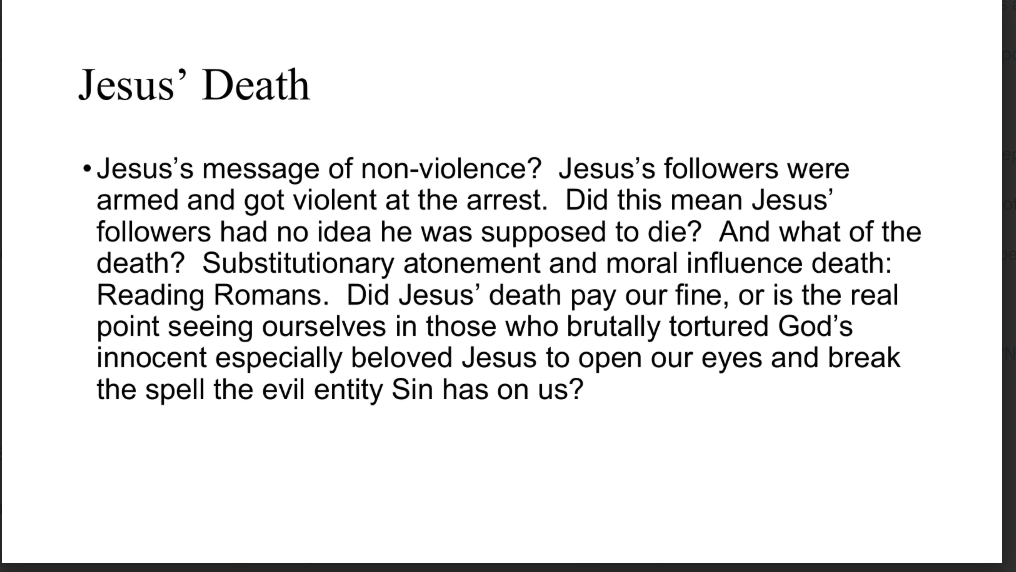
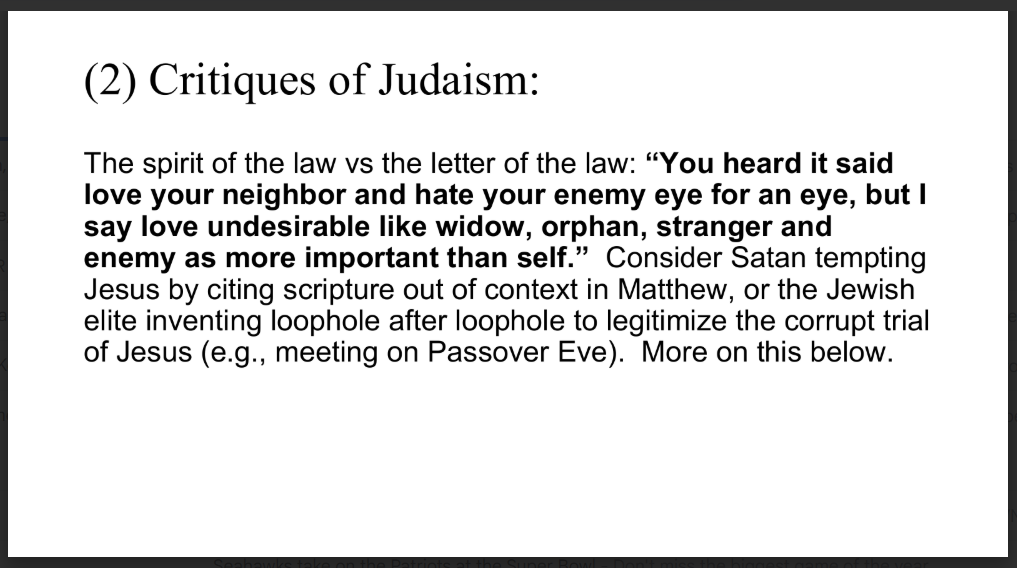
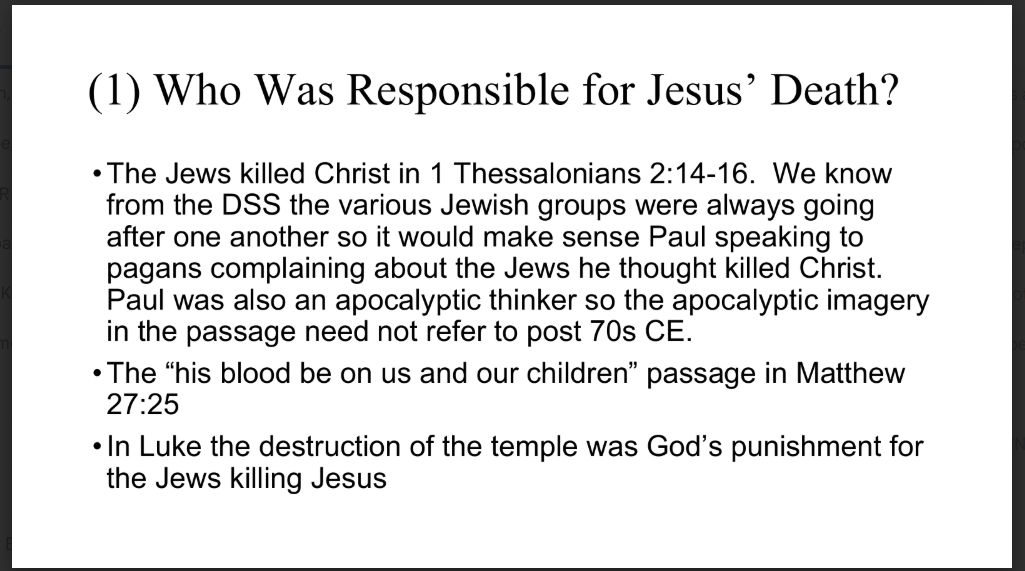
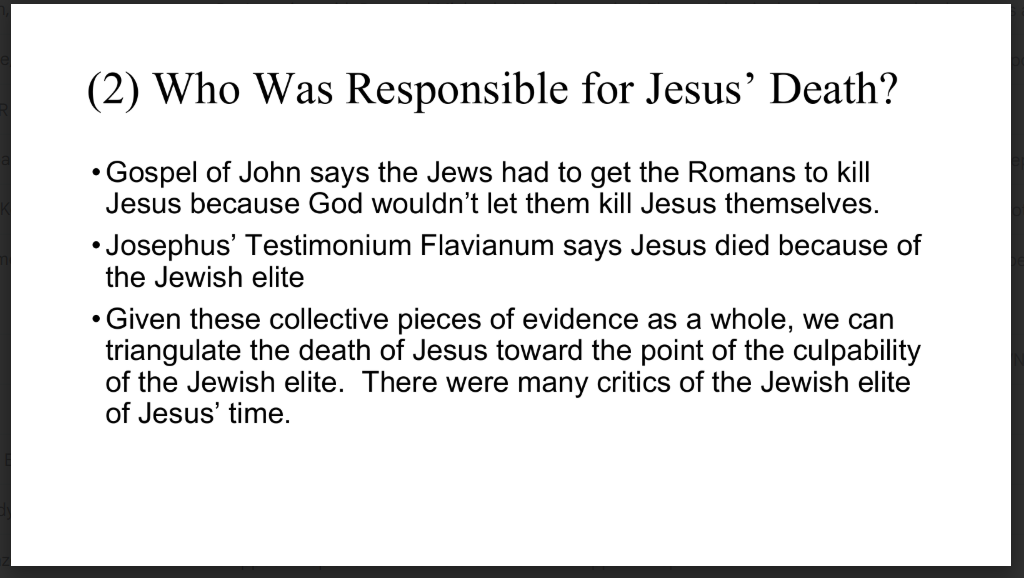
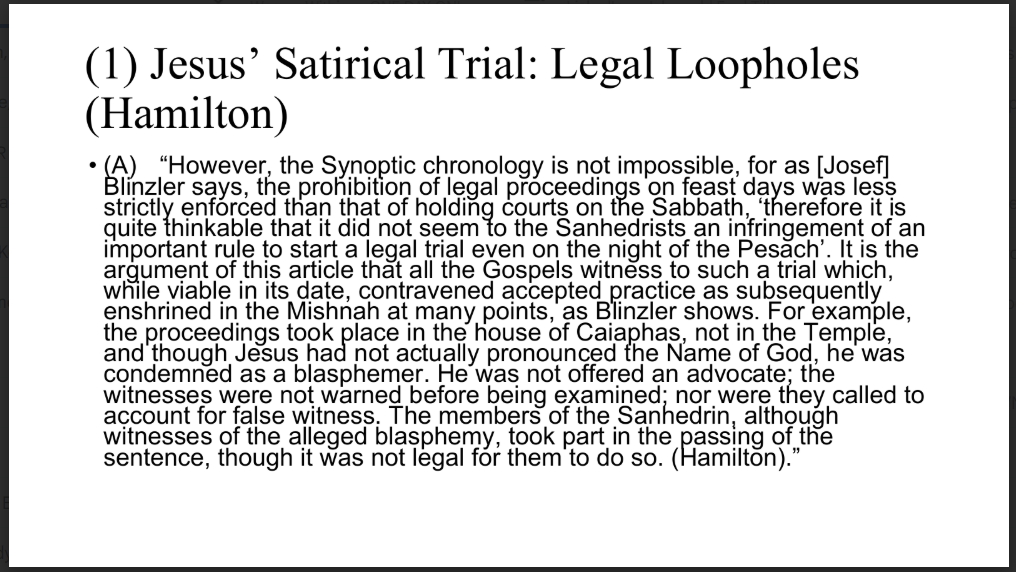
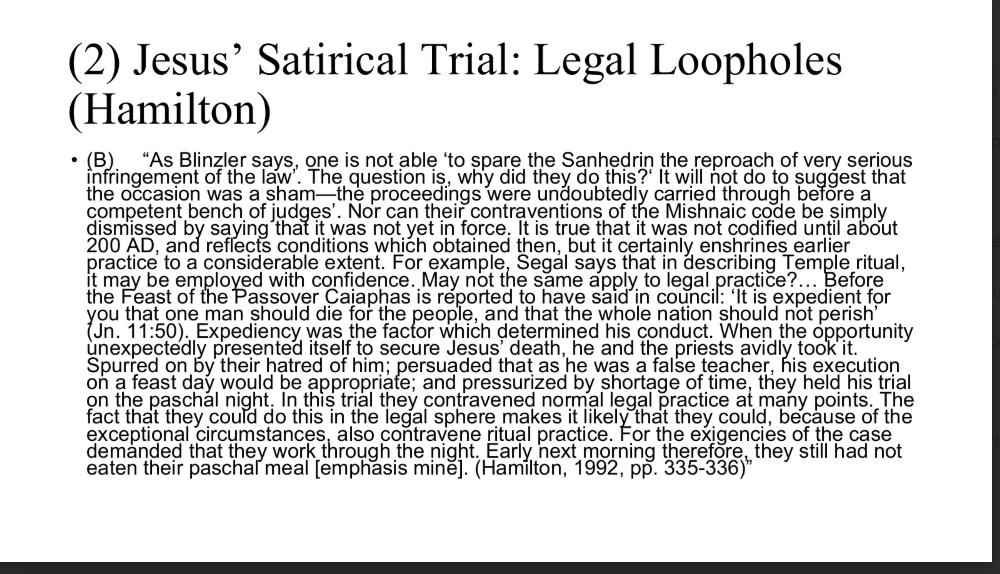
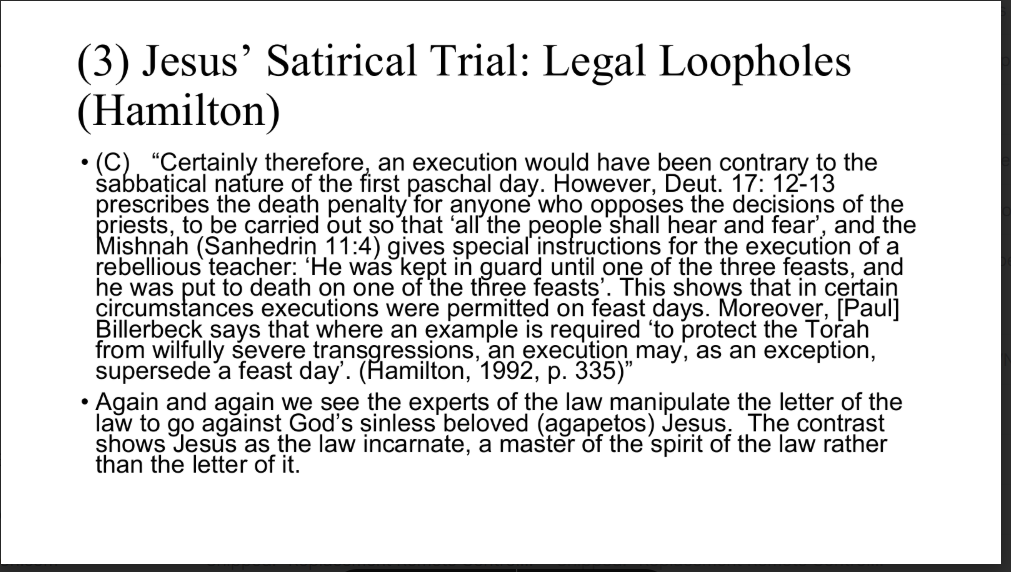
I personally think and have written at length about how I think all our early sources are meant to open our eyes to our sinful nature by implicating us in Jesus’ death and encourage repentance, so I go farther than Bart. For example, not as Antisemitism (the first Christians were Jewish) but intra-Jewish polemics, the Jewish elite and bloodthirsty crowd contributed to Jesus’s wrongful death:
And, in this next episode, we don’t have good historical records that Jesus’ apostles died for their faith:
This might be interesting to you if you are looking into the question of whether the apostles made up the resurrection of Jesus, which my first Secular Web article did HERE! Of course, anyone could die for a lie if they thought people believing it would make the world a better place.